
Navigating the maze
Navigating the Maze: awareness of Common Drug-Drug Interactions
We all know how crucial it is to take care of our health condition, but we should know that certain medications can interact with each other, potentially causing unwanted side effects or reducing their effectiveness.
Now, I know what you’re thinking – “Isn’t it the doctor’s job to keep track of that as a patients?” Well, yes and no. While healthcare professionals do their best to alleviate the potential interactions, it’s crucial duty for us to be proactive and informed in general about our own health. After all, (knowledge is power)
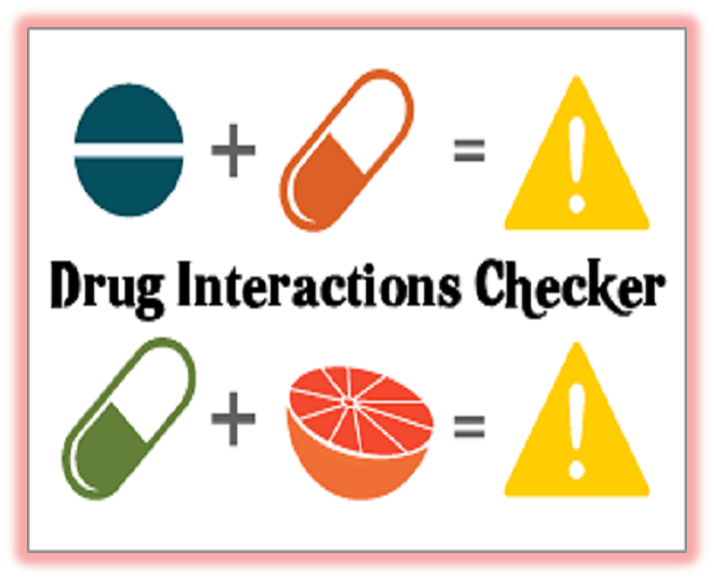
let’s dive into some common drug-drug interactions that you should be aware of in general:
- Grapefruit and Medications: Ah, the humble grapefruit, a seemingly innocent fruit that can wreak havoc on your medication routine. Grapefruit contains compounds that interfere with the enzymes responsible for breaking down certain drugs in your body. This can lead to an increased concentration of the medication, potentially causing unexpected side effects.
Examples : statins(Zocor, Lipitor)/ antihypertensives like adalat(nifedipine)/ organ transplant immunosuprresant drugs as neural and sandimmune(cyclosporine)/cordarone/ some antianexiety drug such as (buspirone).
- Blood Thinners and NSAIDs: If you’re taking blood thinners like warfarin, it’s essential to avoid nonsteroidal anti-inflammatory drugs (NSAIDs) such as ibuprofen or aspirin. These medications can increase the risk of bleeding, which can be dangerous for those already on blood thinners. Instead, seek alternative pain relief options like acetaminophen.
- Antidepressants and Certain Pain Medications: Combining antidepressants, such as selective serotonin reuptake inhibitors (SSRIs), with certain pain medications like tramadol or meperidine can potentially lead to a serious condition called serotonin syndrome. Symptoms may include confusion, rapid heartbeat, and even seizures. So, ensure that your doctor is aware of all the medications you’re taking to avoid any complications.
- Antibiotics and Birth Control: Ladies should take care that! Some antibiotics can interfere with the effectiveness of birth control pills. This happens because certain antibiotics can alter the gut bacteria responsible for metabolizing the hormones in birth control. To be on the safe side, always use an additional form of contraception while taking antibiotics and consult your doctor for specific recommendations.
- Remember, these are just a few examples of common drug-drug interactions. The key takeaway here is to maintain open communication with your healthcare provider and acknowledge them about medications, supplements, and even herbal remedies you’re taking.